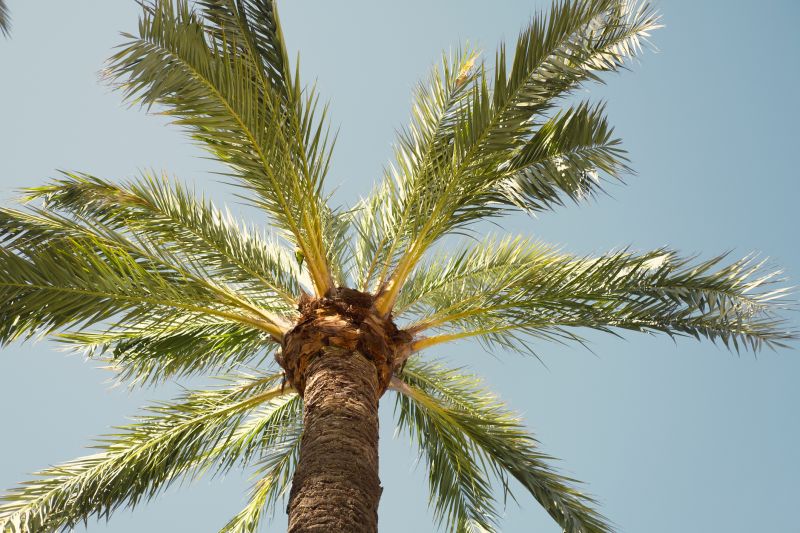
Pear Tree Pruning in Allentown, PA
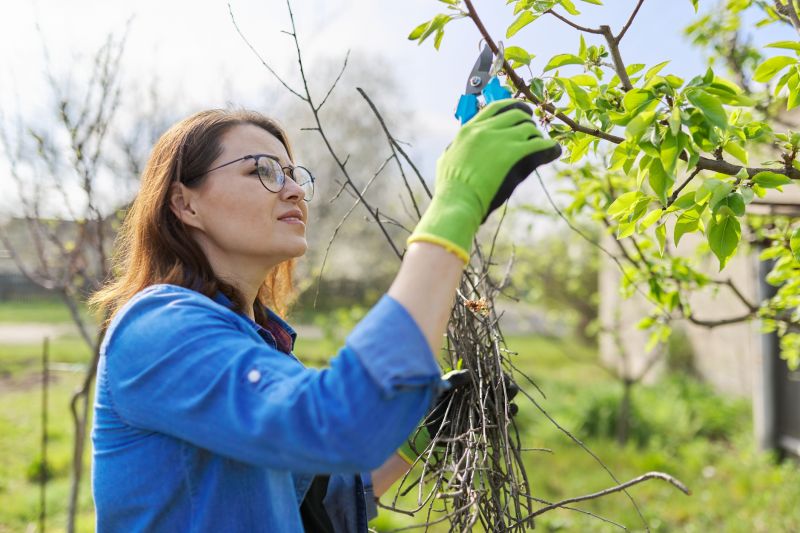
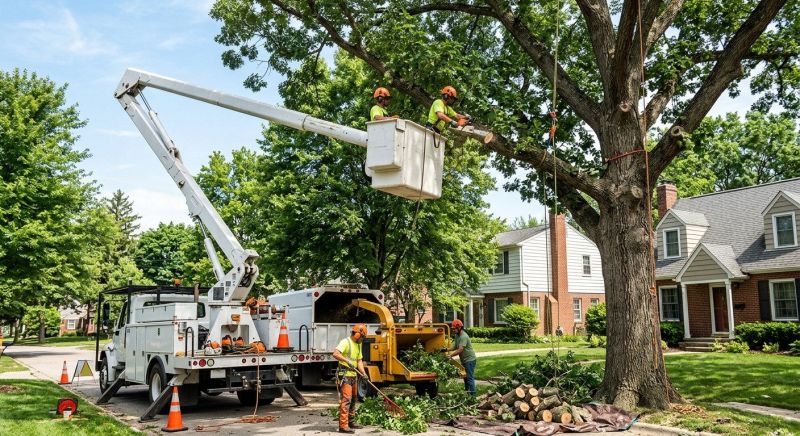
Pear Tree Pruning services involve selectively trimming and shaping trees to promote healthy growth, improve appearance, and maintain safety on residential properties. This type of pruning can include removing dead or diseased branches, thinning out dense foliage, and reducing the size of overgrown trees. Homeowners often request this service to enhance curb appeal, prevent potential hazards from falling branches, or prepare trees for seasonal changes. It is important for property owners to consider the specific needs of their trees, such as the type, age, and overall health, to determine the appropriate pruning approach.
Before requesting pear tree pruning, property owners should understand the goals they wish to achieve, whether it’s improving tree structure, encouraging fruit production, or addressing safety concerns. Clarifying the scope of work, including which branches to remove and the desired shape, helps ensure the service aligns with expectations. Additionally, understanding the timing best suited for pruning different types of trees can contribute to healthier growth and better results. Proper communication about the property’s landscape and any existing issues will support effective and efficient pruning services.
Many property owners in Allentown, PA look into Pear Tree Pruning for repairs, replacements, upgrades, and appearance-related improvements.
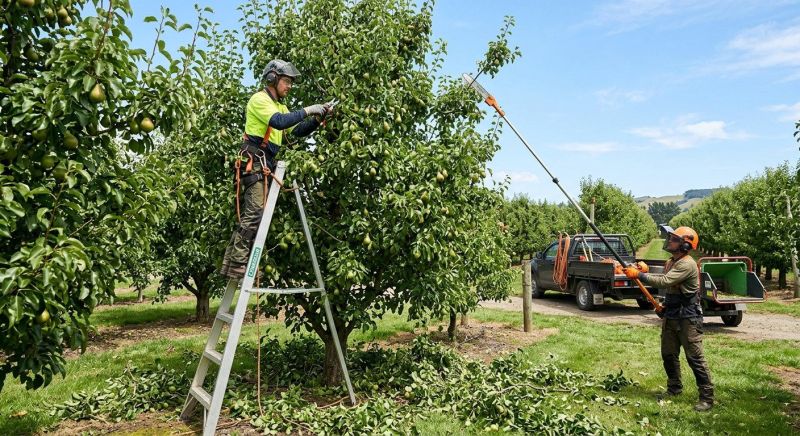
Tree Pruning Benefits
Proper pruning promotes healthy growth and enhances the appearance of pear trees.
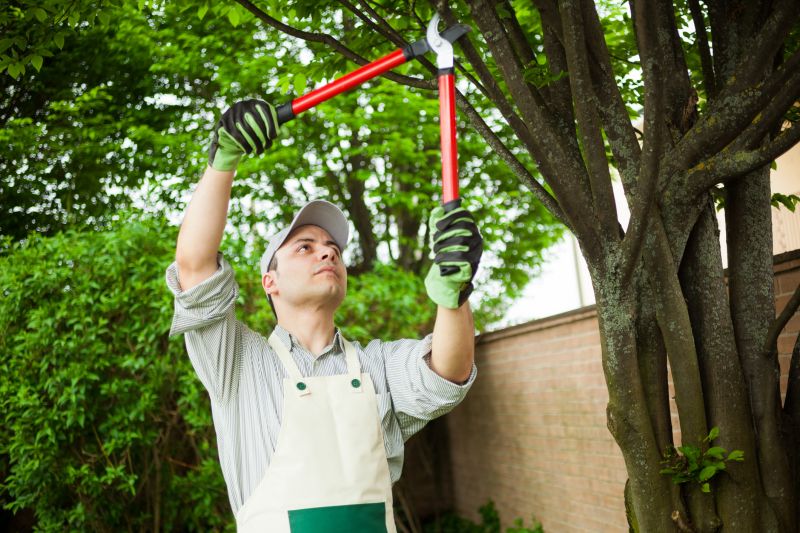
Pruning Techniques
Selective trimming helps maintain the shape and structure of pear trees while removing dead or diseased branches.
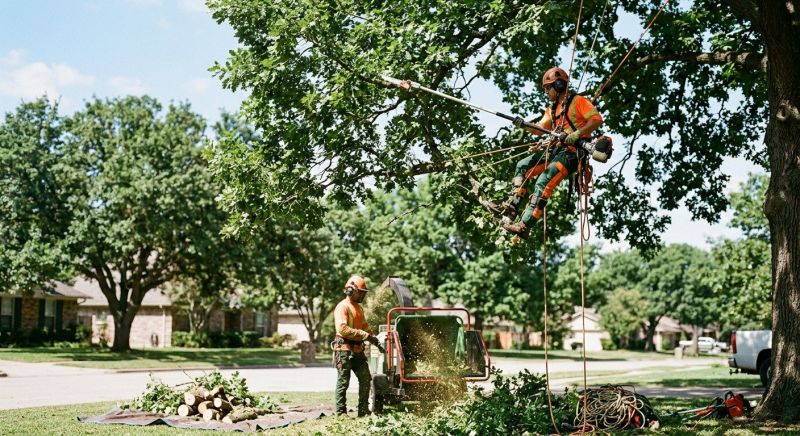
Seasonal Maintenance
Regular pruning during appropriate seasons supports the longevity and productivity of pear trees in allentown, pa.
Pear Tree Pruning in Allentown, PA

Pear Tree Pruning services involve selectively trimming and shaping trees to promote healthy growth, improve appearance, and maintain safety on residential properties. This type of pruning can include removing dead or diseased branches, thinning out dense foliage, and reducing the size of overgrown trees. Homeowners often request this service to enhance curb appeal, prevent potential hazards from falling branches, or prepare trees for seasonal changes. It is important for property owners to consider the specific needs of their trees, such as the type, age, and overall health, to determine the appropriate pruning approach.
Before requesting pear tree pruning, property owners should understand the goals they wish to achieve, whether it’s improving tree structure, encouraging fruit production, or addressing safety concerns. Clarifying the scope of work, including which branches to remove and the desired shape, helps ensure the service aligns with expectations. Additionally, understanding the timing best suited for pruning different types of trees can contribute to healthier growth and better results. Proper communication about the property’s landscape and any existing issues will support effective and efficient pruning services.
Many property owners in Allentown, PA look into Pear Tree Pruning for repairs, replacements, upgrades, and appearance-related improvements.
Common Pear Tree Pruning Jobs
Pear Tree Pruning Services - Proper pruning helps maintain tree health and encourages vigorous growth.
Structural Pruning - Removes weak or crossing branches to improve tree stability and shape.
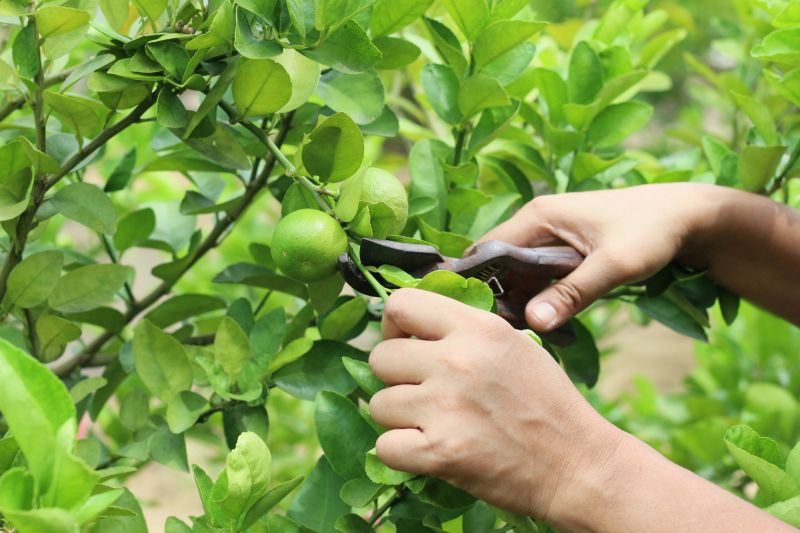
Fruit Tree Pruning - Enhances fruit production by removing dead or overcrowded branches.
Hazard Tree Pruning - Eliminates dead or damaged limbs that pose safety risks.
Thinning and Shaping - Improves light penetration and airflow throughout the canopy.
Seasonal Pruning - Prepares trees for seasonal changes and promotes healthy development.
Pear Tree Pruning Questions
Why is pear tree pruning important? Proper pruning helps maintain tree health, encourages fruit production, and shapes the tree for safety and aesthetics.
When is the best time to prune a pear tree? The ideal time is during late winter or early spring before new growth begins, ensuring healthy development.
What pruning techniques are used on pear trees? Techniques include thinning out overcrowded branches, removing dead or diseased wood, and shaping the canopy for better airflow.
How can I tell if my pear tree needs pruning? Signs include overgrown branches, crossing limbs, or dead/diseased wood that can affect the tree’s structure and health.
Request Pear Tree Pruning in Allentown, PA
Use the quote form on this page to share the basics of your project and request more information for the type of work you need.